
HIFU Device Agency and Wholesale Guide | Questions to Ask Before Your Salon Buys a Lifting Device
For a beauty salon, a HIFU or MMFU lifting device is not an ordinary piece of equipment. It is a long-term investment that affects average spend per client, treatment safety, therapist training, consumable costs and after-sales repair. When searching for "HIFU agency", "HIFU wholesale", "beauty equipment agency" or "beauty equipment supplier", what really needs comparing is not only the machine price, but whether the supplier can help the shop run its lifting programme in a way that is stable, compliant, easy to sell and sustainable to operate.
The following sets out the key points that should be clarified before bringing in a HIFU lifting device, from the perspective of Hong Kong beauty salons, spas, medical aesthetic centres and beauty-industry procurement managers. The article mentions lifting directions such as New Doublo 2.0 and Vzet as examples for procurement thinking, but the point is not to encourage blindly chasing the newest machine; it is to help you build a practical procurement checklist.
Why HIFU Device Procurement Cannot Be Only About "How Much?"
HIFU lifting treatments usually involve a relatively high spend per client, and they also place higher demands on operating technique, management of client expectations and after-sales support. If "lowest machine price" is used as the sole decision criterion, a salon may run into several types of problem afterwards:
- Insufficient therapist training, making treatment results and client comfort inconsistent.
- Unclear costs for cartridges, consumables, repairs or parts, which affects the actual payback.
- Marketing wording that is overly medicalised or absolute, increasing compliance and complaint risk.
- A supplier that only sells the machine and cannot provide treatment design, after-sales servicing or marketing support.
- A device that does not match the shop's client base, making it hard to fit into the existing treatment menu after purchase.
For this reason, when a salon looks for a HIFU device agency or wholesale supplier, the questions should be broken down into five areas: compliance, safety, consumables and payback, treatment support, and after-sales support.
Question One: Can the Supplier Clearly Account for Compliance Information?
The Medical Device Administrative Control System operated by the Medical Device Division of the Hong Kong Department of Health is a voluntary listing and post-market surveillance system for medical devices. Official information states that MDACS covers Class II, III and IV general medical devices and certain in vitro diagnostic medical devices, and recommends that healthcare institutions and the public purchase listed medical devices as far as possible, so as to confirm that products meet safety, quality and performance requirements.
What salons need to note is that not every energy-based device sold for beauty purposes can be summed up with a single phrase such as "it has a certificate". The actual classification depends on the product design, intended use, form of energy and the manufacturer's documentation. Before purchasing, the supplier should be asked to provide the following:
| Documents to request | Why it matters |
|---|---|
| Manufacturer authorisation or agency proof | Confirms that the source of supply, servicing and parts support are not merely verbal promises |
| Product specifications and statement of intended use | Determines whether the device is suitable for beauty care, professional care or other uses |
| Overseas certification or test documents | Helps assess product quality and safety requirements |
| Local Hong Kong after-sales and repair arrangements | Avoids long downtime after a fault, which would affect income |
| Operating training and contraindication information | Reduces the risk of incorrect operation and improper marketing |
If the supplier cannot clearly explain the device's origin, limitations of use, servicing responsibilities and operating contraindications, a salon should not place an order immediately simply because the price is attractive.
Question Two: Are the Device's Safety Design and Operating Training Adequate?
The core concept of HIFU and MMFU devices is to focus energy at different subcutaneous depths to assist with contour and firmness management. Precisely because energy output is involved, salons must take operating training, client screening and treatment records seriously.
The following questions can be used during procurement to test whether a supplier is professional:
- What cartridges or modes does the device have? Which areas are the different depths suitable for?
- How many hours of training does a therapist need before operating independently?
- Are there standard operating procedures, a list of contraindicated persons and a pre-treatment assessment form?
- Does the device have contact sensing, movement prompts, energy control or other safety-assist features?
- If a client experiences redness, swelling, sensitivity or discomfort after treatment, does the supplier have handling guidelines?
Taking a lifting platform such as New Doublo 2.0 as an example, a salon should not look only at the "HIFU" label, but should understand its operating modes, cartridge configuration, training arrangements and after-sales support. If the shop wants to build a gentler, more easily scheduled contour management treatment, it may also compare different lifting directions such as the Vzet invisible layered thread-lift system (隱形分層埋線系統), choosing according to client tolerance, treatment time and pricing strategy.
Question Three: Have Cartridges, Consumables and the Payback Period Been Properly Calculated?
Many salons, when comparing HIFU device wholesale prices, ask only "how much is the machine". But what really affects profit is the consumable cost per treatment, cartridge life, repair downtime and treatment room turnover.
You can start with a simple formula to estimate:
| Item | Calculation |
|---|---|
| Cost per shot | Cartridge price ÷ total usable shots per cartridge |
| Consumable cost per treatment | Cost per shot × number of shots per treatment |
| Estimated gross margin per treatment | Treatment fee - consumable cost - labour and other variable costs |
| Number of treatments needed to break even | Device investment ÷ estimated gross margin per treatment |
For example, if the cartridge cost of a given HIFU device is not transparent, the machine price may look cheap on the surface, yet in the long run profit may still be dragged down by consumable spending or repair time. Conversely, even if a device has a higher entry cost, as long as the treatment positioning is clear, the spend per client is higher, consumables are stable and therapists are easy to train, the speed of payback is not necessarily slower.
When requesting a quotation, it is recommended that salons ask the supplier to provide all of the following at once:
- Machine price, instalment or machine rental plans
- Cartridge price and number of usable shots
- Suggested shot count ranges for commonly treated areas
- Warranty period and warranty scope
- Average turnaround time for repairs
- Whether there is any subsequent consumable tie-in or minimum purchase quantity
This information matters more than a single quoted price, because it directly affects whether the shop can turn HIFU into a stable source of income.
Question Four: How Do HIFU Treatments Fit with Recovery and Aftercare?
Energy-based treatments such as HIFU, radiofrequency and laser usually need to be paired with a clear pre-treatment assessment and aftercare advice. If a salon sells only a one-off lifting treatment without arranging hydration, soothing, barrier repair and sun protection education, clients may easily interpret short-term dryness, redness or tightness as "inconsistent results".
A more complete approach is to place the HIFU lifting device within a treatment system:
- Before treatment: assess skin condition, contraindications, recent treatments and client expectations.
- During treatment: adjust parameters according to area, depth and client tolerance.
- After treatment: provide hydration, soothing and barrier care advice.
- Follow-up: arrange review appointments, photographic records and advice on treatment intervals.
If a salon also operates in medical skincare and repair products, HIFU lifting can be designed into a package with soothing and repair products, but marketing must avoid describing skincare products as treating disease or guaranteeing repair results. Particularly where terms such as exosome, cell or stem cell are involved, prudent, compliant and verifiable wording should be used.
According to information from the Hong Kong Drug Office, advanced therapy products are a category of pharmaceutical product, involving human medicines derived from genes, cells or tissues, and are regulated under the relevant requirements of the Pharmacy and Poisons Ordinance. When purchasing and marketing repair products, salons should avoid packaging ordinary topical care products as unapproved injection, transplant or medical treatment items.
Question Five: Does the Agent Genuinely Provide After-Sales Support?
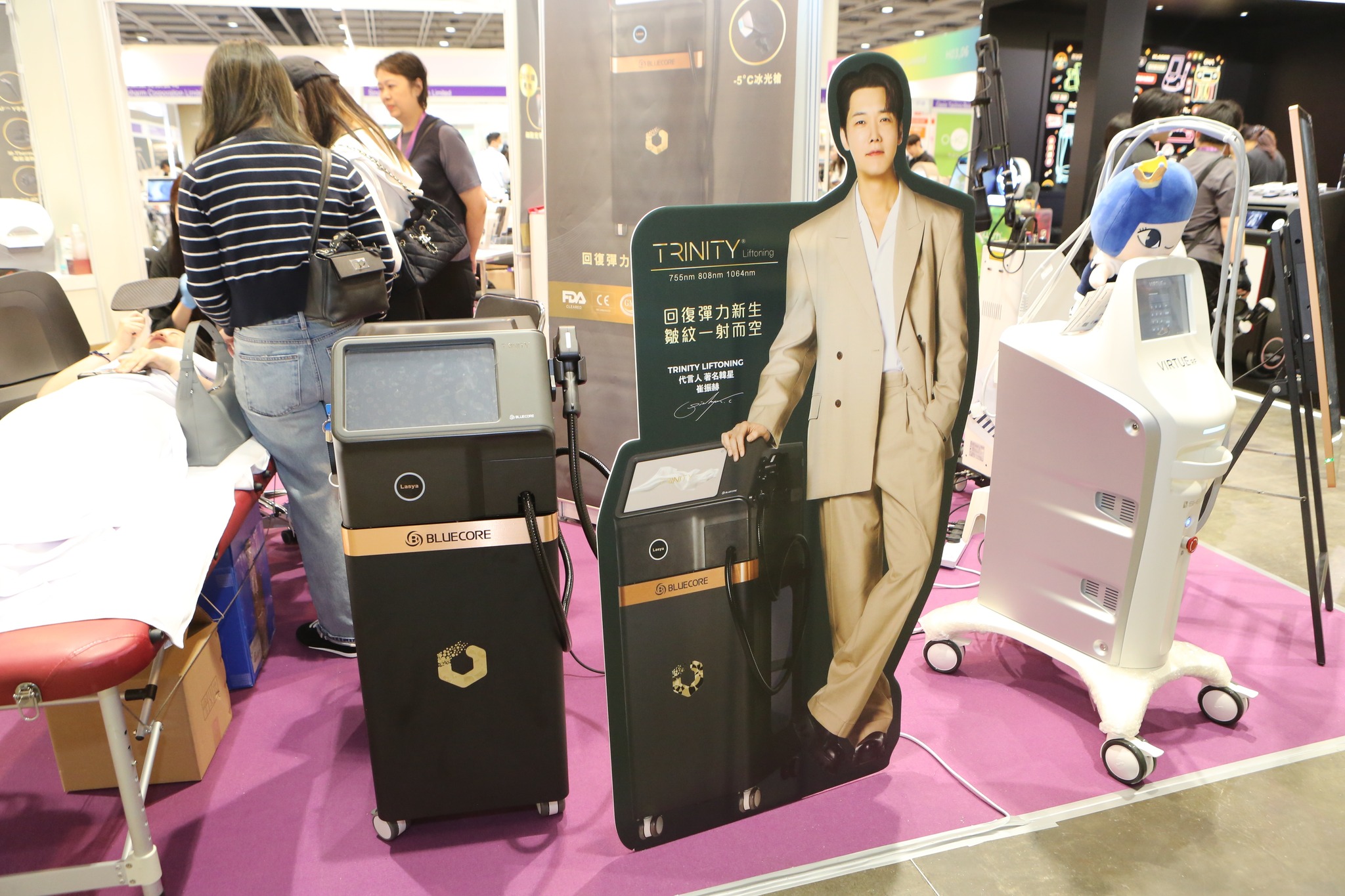
The value of a beauty equipment agent should not stop at the moment of delivery. For a salon, what really affects long-term operation is after-sales support, including training, repairs, marketing materials, treatment design and product updates.
When choosing a HIFU device supplier, it is recommended that you ask directly:
- Is there a local showroom, or can a trial of the machine be arranged?
- Will therapist operating training and refresher training be provided?
- When the device breaks down, is it handled by a local team, or does it have to be sent back overseas?
- Are there treatment workflow suggestions, client Q&A and marketing materials?
- Will the supplier help the salon design treatment packages at different price points?
- Can it work with other items in the shop, such as radiofrequency, laser, post-treatment repair or body management?
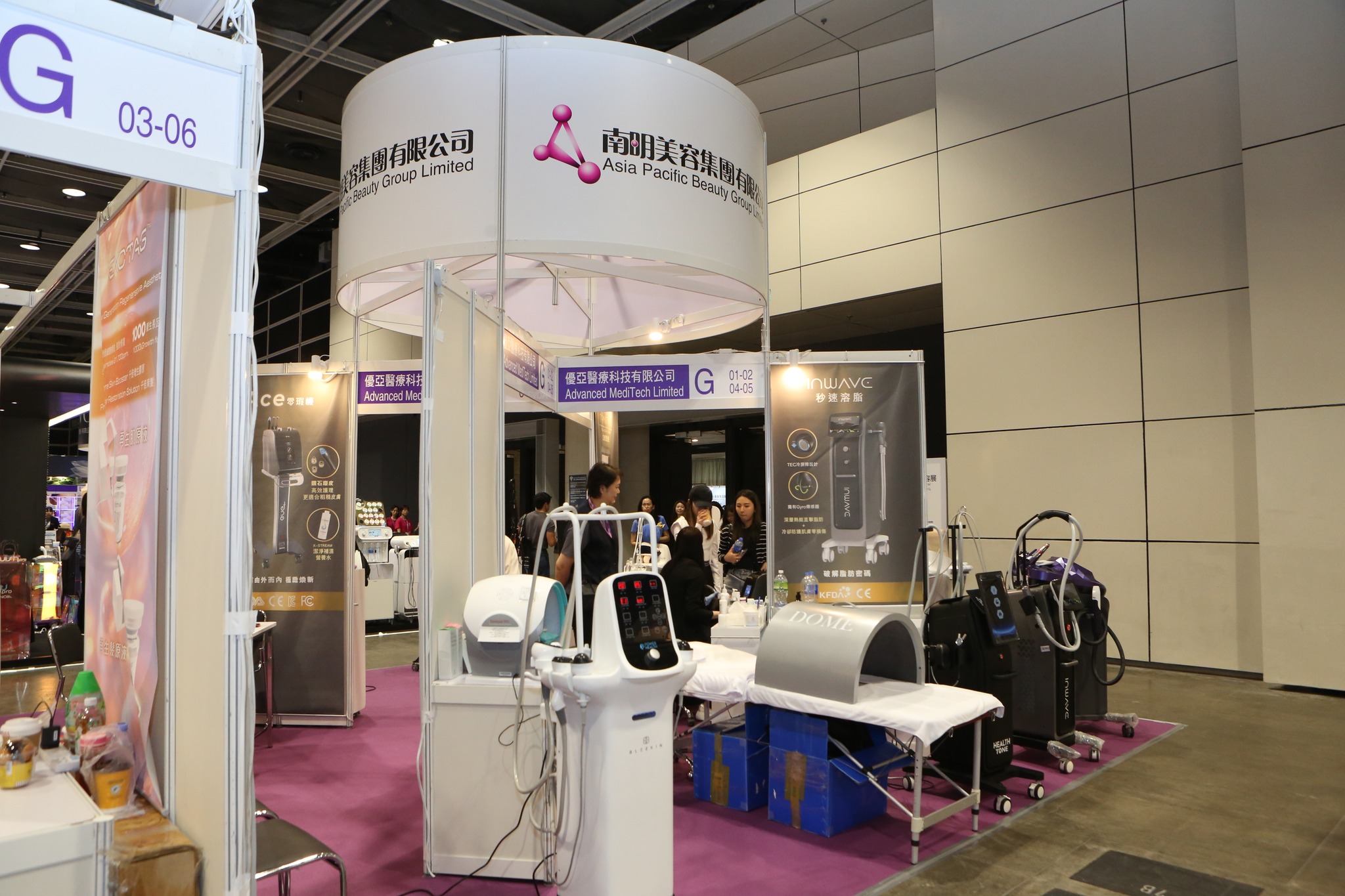
Asia Pacific Beauty Group was established in 1998 and has long provided beauty equipment agency, wholesale, training and after-sales support to Hong Kong salons and professional beauty-industry clients. If you are comparing HIFU/MMFU, radiofrequency, laser or other anti-ageing equipment, you may first browse the beauty equipment range, then book a machine trial or make an enquiry according to your shop's positioning.
Checklist of Questions Before a Salon Purchases a HIFU Device
The following checklist can be used directly when communicating with suppliers:
| Procurement question | What you should not be hearing | What you actually need to confirm |
|---|---|---|
| Is this HIFU device suitable for my shop? | "Lots of salons buy it" | Whether the client base, treatment time, treatment areas, pricing and therapist capability match |
| Are there certificates or compliance documents? | "Don't worry, it's definitely fine" | Manufacturer documents, agency proof, product intended use and relevant certification |
| How are cartridges and consumables costed? | "It's very good value" | Cost per shot, shots per treatment, consumable purchasing terms |
| What does the training include? | "We'll teach you until you've got it" | Training hours, content, refresher training, operating guidelines and contraindication list |
| Who is responsible for repairs? | "We'll deal with it when it breaks" | Warranty period, source of parts, turnaround time and standby arrangements |
| Can you help with sales? | "If the results are good, people will buy" | Treatment packages, client education, marketing materials and aftercare design |
Frequently Asked Questions
What is the difference between a HIFU device agency and HIFU wholesale?
An "agency" usually means the supplier has clearer authorisation, training and after-sales responsibilities with the manufacturer or brand; "wholesale" more often refers to the supply of equipment or consumables. Salons should not look only at the label, but should verify the source of supply, documentation, servicing, training and repair arrangements.
Does a salon have to apply for a licence in order to bring in a HIFU device?
Hong Kong currently has the voluntary MDACS listing system for medical devices, and whether a particular device is a medical device, how it is classified and whether it should be listed depend on the product's intended use and design. Before purchasing, salons should ask the supplier to provide clear documentation, and should avoid making their own medical-use or efficacy promises. If the service involves medical procedures, medicines or other regulated activities, separate professional advice should be sought.
Can HIFU treatments be marketed as "zero risk" or "permanent lifting"?
Not recommended. In their marketing, salons should avoid absolute wording such as "guaranteed results", "permanent", "zero risk" and "completely free of side effects". The safer approach is to explain the direction of the treatment, who it suits, contraindications, key aftercare points, and that actual results will vary with individual condition.
How should one choose between New Doublo 2.0 and Vzet?
Both fall within the lifting and contour management direction, but the treatment positioning, operating modes and client groups they suit are not necessarily identical. Salons should compare according to the shop's client base, therapist experience, client tolerance, treatment time, pricing and after-sales support. The most effective approach is to arrange a machine trial, so that the person in charge and the therapists can assess the operating workflow together.
Can HIFU be packaged together with radiofrequency or repair products?
It may be considered, but it should be arranged according to the client's skin condition, treatment intervals and professional assessment. Package design should focus on soothing, hydration, barrier care and client education, and avoid marketing skincare products or beauty devices as medical treatment or as guaranteeing results.
Conclusion: Choosing a HIFU Supplier Means Choosing a Long-Term Operating Partner
Whether a HIFU device agency or wholesale supplier is reliable is not judged by the quotation alone, but by whether it can help the salon handle compliance documents, operating training, consumable calculations, repairs and servicing, treatment packaging and after-sales support. For a salon, the real value of a lifting device is whether it can be placed stably in the treatment menu over the long term, remain easy for therapists to operate, be easy for clients to understand, and give the shop a clear payback model.
If you are comparing HIFU/MMFU lifting devices, New Doublo 2.0, Vzet or other anti-ageing equipment for salons, you may contact the Asia Pacific Beauty team to arrange a machine trial and procurement consultation.
References
- Medical Device Division, Department of Health, Hong Kong: Medical Device Administrative Control System
- Medical Device Division, Department of Health, Hong Kong: MDACS Guidance Notes
- Medical Device Division, Department of Health, Hong Kong: Frequently Asked Questions
- Hong Kong Drug Office: Advanced Therapy Products Frequently Asked Questions
- Hong Kong Consumer Council: Recommendations on the Regulation of Medical Beauty Services