
2026 Hong Kong Beauty Expo B2B Buying Guide | Equipment Sourcing
Hong Kong hosts a range of beauty and wellness events every year. For salon owners, aesthetic centres, spas and professional buyers, the real value of a B2B beauty trade fair is equipment comparison, machine trials, training enquiries and business discussions. The 28th SISTERS BeautyPro Trade Fair in 2026 is one relevant example.
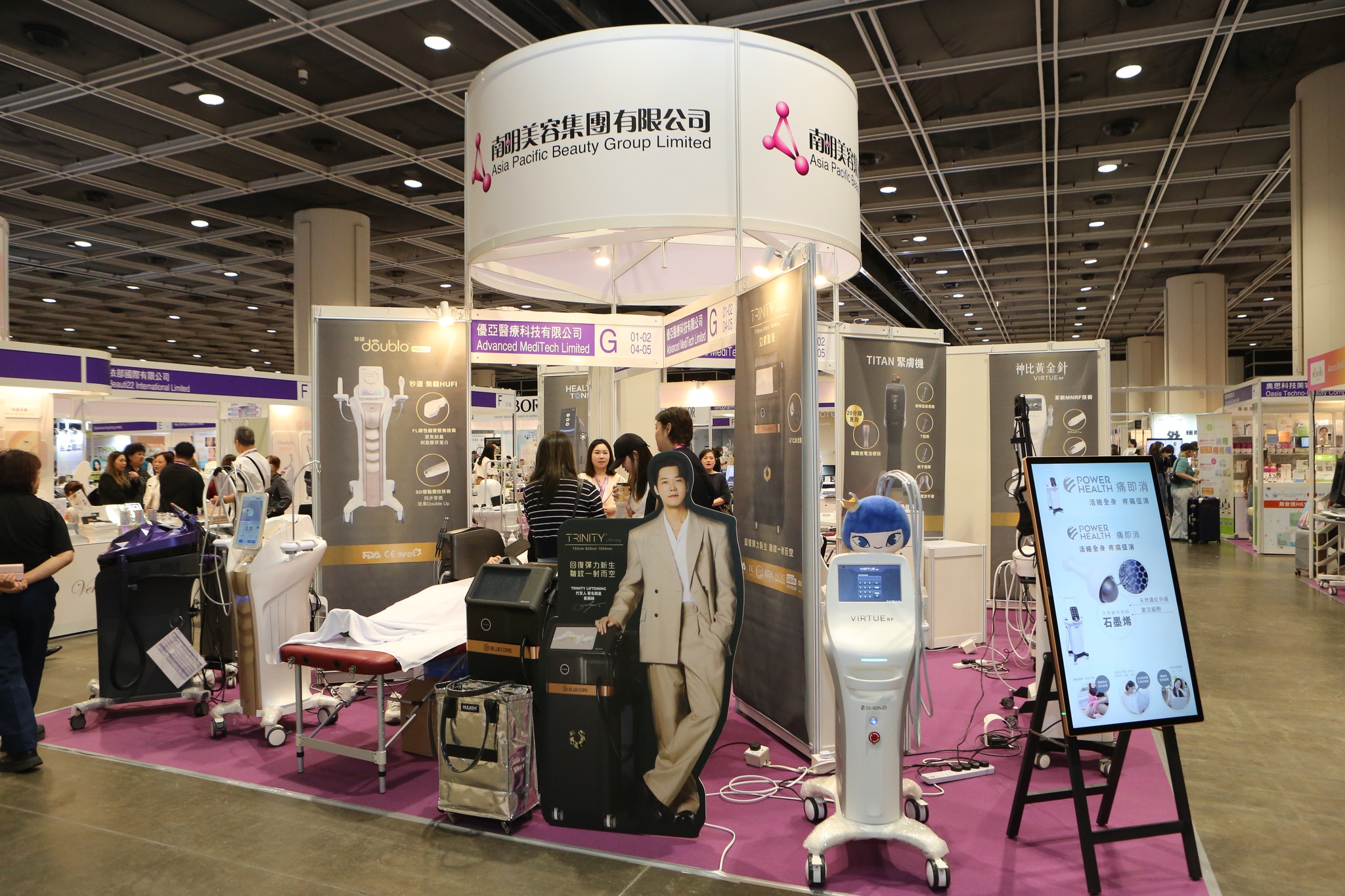
Asia Pacific Beauty Group welcomed salon buyers at booth G01-G06 during SISTERS BeautyPro Trade Fair
How Is a B2B Beauty Trade Fair Different From a Consumer Beauty Fair?
A B2B beauty fair is mainly designed for industry professionals. Visitors usually compare equipment performance, understand brand support, discuss payment arrangements and look for new services that can be added to salon menus.
Consumer beauty fairs tend to focus more on retail offers, bundles and brand promotion. If a salon is preparing to invest in new equipment, a professional trade fair can be a more useful place to meet distributors, technical teams and see live demonstrations.
What Should Salon Owners Prepare Before Visiting?
Before attending a 2026 Hong Kong beauty fair or SISTERS BeautyPro Trade Fair, salon owners can prepare three points:
Salon positioning: facial care, body care, relaxation, anti-ageing, scalp care or light aesthetic-related services.
Budget range: outright purchase, instalment, rental, partnership model or consumable-linked arrangement.
Service gap: which client needs, repeatable services or higher-ticket treatment categories are missing from the current menu.
This helps buyers stay focused on the show floor and ask suppliers more practical questions.
8 Questions to Ask During a Machine Trial
Which skin types and contraindications should be considered?
How long does each treatment session usually take?
How much training does a therapist need before operating the device?
What treatment frequency and intervals are recommended?
Does the device require specific consumables or recovery products?
Who handles maintenance, repair and replacement parts?
Are in-salon training, marketing materials and treatment design support included?
How should the treatment package be positioned for anti-ageing, slimming or problem-skin clients?
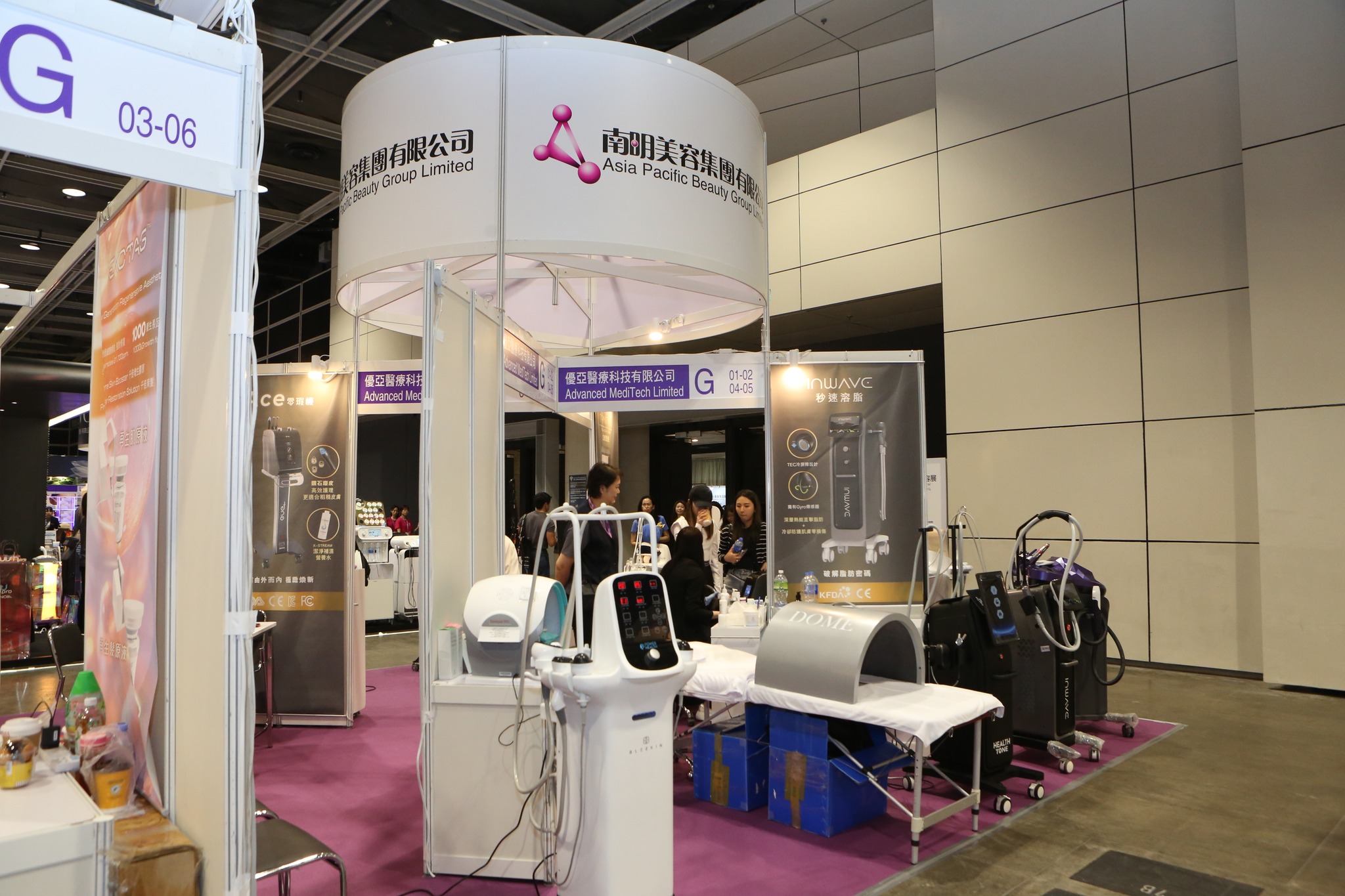
Salon buyers learning about beauty equipment demonstrations and operator training
Procurement Categories to Watch in 2026
Laser and Skin Tone Management
Triple-wavelength lasers, multi-function laser platforms and low-downtime skin tone management services are relevant for salons expanding facial treatment options. Buyers should check suitable skin types, contraindications, operator training and after-sales maintenance.
HIFU/MMFU and Contour Lifting
Non-invasive lifting remains an important anti-ageing service category. Salons should compare energy stability, cartridge configuration, treatment comfort and training support, and explain services to clients in a clear and verifiable way.
Microneedling RF and Collagen Management
Microneedling RF can help salons move from basic skincare into more advanced skin quality management, but post-treatment care, client screening and operating procedures must be considered together.
Post-Treatment Recovery and Professional Skincare
Exosome-related skincare, recovery serums, soothing care and barrier repair products are increasingly common. Salons should confirm product source, ingredient information, usage instructions and promotional claims before introducing them.
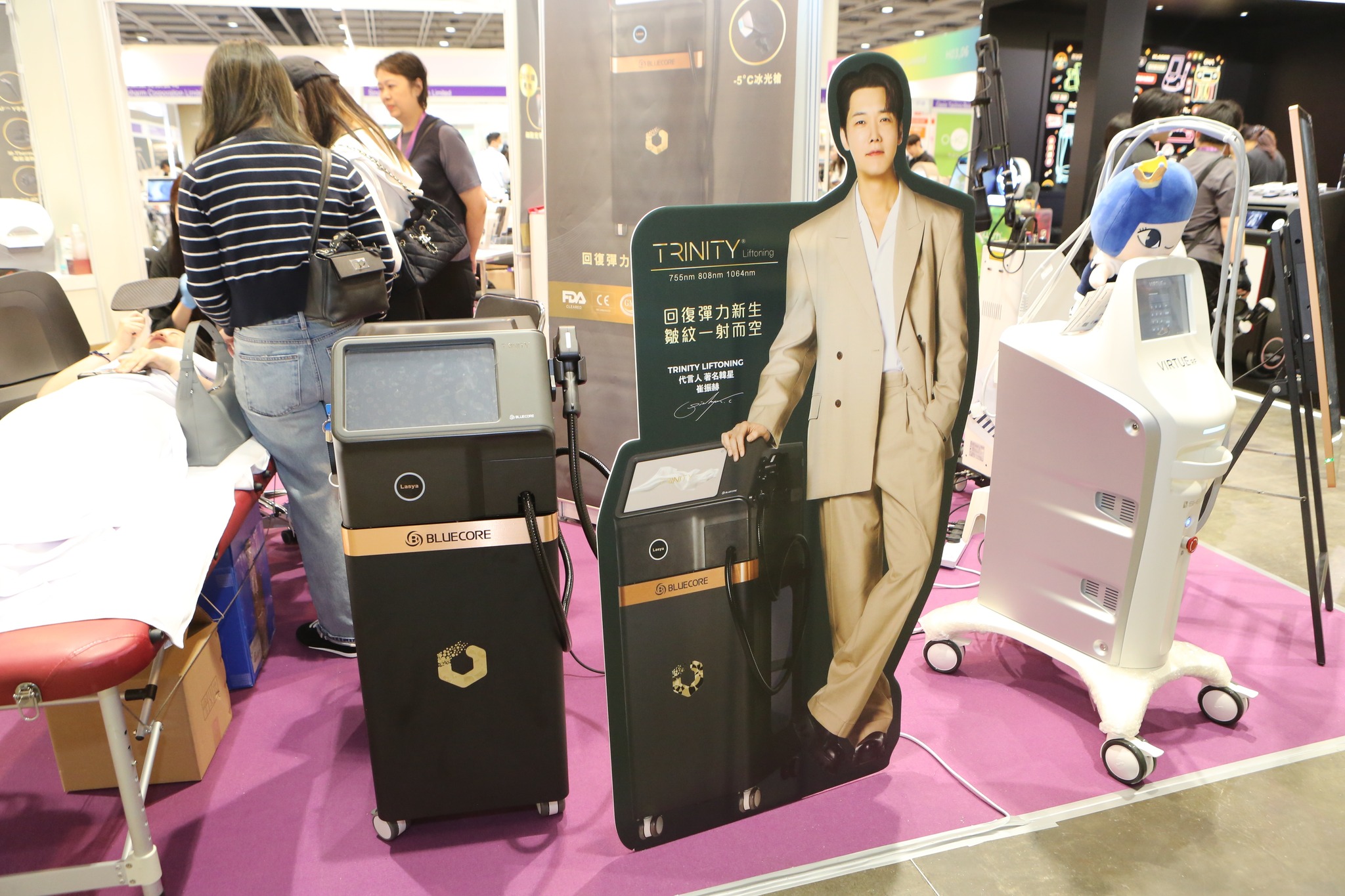
Asia Pacific Beauty Group displayed beauty equipment and procurement options at SISTERS BeautyPro Trade Fair
Promotion Tips After the Show
When a salon introduces new equipment or products after a trade fair, it should also plan how to explain the service clearly to clients. Before promotion, consider these points:
Use verifiable descriptions and avoid overly absolute wording such as guaranteed results, only, permanent or zero risk.
If packages, trials, gifts or limited-time offers are involved, state the conditions, validity period, extra fees and refund arrangements clearly.
If specific consumables, maintenance fees or instalment payments are required, explain them clearly before selling.
Introduce equipment and skincare products around beauty care, soothing, repair and maintenance, and avoid unverified medical or disease-treatment claims.
When comparing equipment or solutions, use objective criteria such as suitable client groups, training support, maintenance, consumable cost and salon positioning.
Clear and transparent promotion helps reduce client misunderstanding and supports a more professional salon image.
Post-Show Follow-Up Matters More Than On-Site Excitement
Beauty equipment is not a small purchase. After the show, salons should compare supplier quotations, training details, warranty terms and payment arrangements, then decide according to salon positioning and client needs. If the on-site trial was not enough, arrange another demonstration at the showroom or office.
The commercial value of a device is not only its purchase price, but whether it fits the salon position, training capacity, client needs, compliant promotion and long-term after-sales support. For the Asia Pacific Beauty Group G01-G06 recap from the 28th SISTERS BeautyPro Trade Fair, read the event recap article.